Poets & Saints
A magazine blending poetry, art, and contemplative essays on faith and creativity. This first issue, "Streams in the Desert", features original writing and visual art that explore spirituality in everyday life. Read Issue 1
Myth matters because it connects us to truths deeper than facts. Throughout my life, mythic stories have been a source of endless fascination: the Sunday school stories of a global flood and the exodus from Egypt, the legendary figures of Brazilian folklore I grew up with, the intricate family trees I would draw in middle school connecting the Greek pantheon, tragedies both ancient and modern, all the way up to the superhero movies of the Marvel cinematic universe. But these myths, especially the really old ones with staying power, have their way of seeping deeper than surface-level entertainment. These stories have been guides to me, conveying wisdom and wonder that factual discourse alone often cannot capture.
As a student of theology and literature, I've seen how ancient narratives and modern myths alike can shape our values, inspire empathy, and provide a shared language for our experiences. Myth opens a door to transcendence, inviting us to explore meaning beyond the surface of daily life. But as a scientist by training and an engineer by vocation, I've also seen the allure of leaving myths behind: the promise of a more objective, less superstitious, data-driven world.
Myth is the deep grammar of belonging. Long before we master logic, we navigate the world by story-patterns that tell us whose we are, what time it is, and what a life well-lived looks like. In the framework developed by philosopher Ken Wilber, these maps of meaning evolve over time (magic ⇢ mythic ⇢ rational ⇢ pluralistic ⇢ integral), but they never disappear; they simply refactor. When the stock market nosedives or a diagnosis shatters a family, the data may explain what happened, yet people still ask the question that resists empirical explanation: “What does it mean?”
In an age increasingly governed by data and pragmatism, I believe myth maintains a crucial role: it re-enchants the world. My fascination with myth is rooted in its power to transform perspectives. Whether it's the parables of sacred texts or the epic journeys of fantasy literature, these stories endure because they speak to the human condition in timeless ways. They weave together imagination and truth, bridging the gap between what is and what could be. I think the mythical worldview is just as much responsible (and therefore just as needed) for our collective growing up as the Enlightenment and the scientific revolution.
My professional arc keeps returning to that hinge between myth and modernity. In my undergrad at TU, my chemistry lab notebooks sat beside Whitman and Chinese poets in translation. When I worked at a competitive healthcare IT company, I learned that the success of a $200-million EHR rollout turns on whether clinicians believe the software’s mythos of care. Civically, my public tech projects translate sacred, often distant symbols into accessible experiences for congregants, skeptics, and the spiritually curious alike. They demonstrate that myth is not escapism but the operating system of cogent moral action.
Personally, I carry the Christian confession “the Word became flesh” alongside Wilber’s conviction that Spirit keeps unveiling itself stage by stage. That dialectic drives my research question: How do we compose and curate myths robust enough to endure astrophysics yet tender enough to heal trauma? Joining this seminar lets me test that question in dialogue with classicists, digital humanists, and Indigenous scholars, refining my craft as a 21st‑century myth‑engineer.
Engaging deeply with myth through this fellowship is an opportunity to celebrate the importance of storytelling in contemporary life. Myth has shaped my creative vision — it compels me to craft experiences that resonate on a symbolic level. I want to explore why myth has this enduring power and how I can harness it in my own work to spark awe and understanding in others.
The seminar promises two rare gifts: an interdisciplinary brain‑trust and a civic laboratory. My practice already braids AI engineering, public theology, and participatory art; what I don't have is sustained conversation with a community of scholars of, say, Mesopotamian cosmology or Afrofuturist performance, who can stretch the horizons of my creative approach.
My craft sits at a four‑way intersection: AI engineering × public theology × integral theory × participatory art. From what I can gather, the Myth Seminar offers a rare space where scholars of classics, Indigenous studies, media, and philosophy cross‑pollinate—exactly the ecosystem my next project needs.
I am eager to explore this topic with other passionate learners and creators with different perspectives. Some things I bring to any collaboration:
I'm excited to have productive, in-depth conversations with fellows who have a similar interest in what it means to grapple with our myths, new and old, in an age that is facing a meaning crisis. I can imagine co-creating websites, art installations, lecture series, a podcast, comic books, performance art, and other experimental approaches to this topic.
One emerging project concept is an interactive experience that uses software to immerse participants in mythic narratives, allowing them to engage with age-old stories in innovative, personal ways. By harnessing tools like interactive media and AI, I plan to create experiences that make ancient wisdom tangible and fresh for today's audience—without relying on traditional formats or scripted outcomes.
Another area I'm developing involves expanding the reach of poetic and spiritual storytelling. Building on my experience editing Poets & Saints, I envision a platform that curates transformative literature and visual art, fostering community around a shared exploration of a specific body of myth.
I'm looking forward to meeting my colleagues and finding out what we can create together!
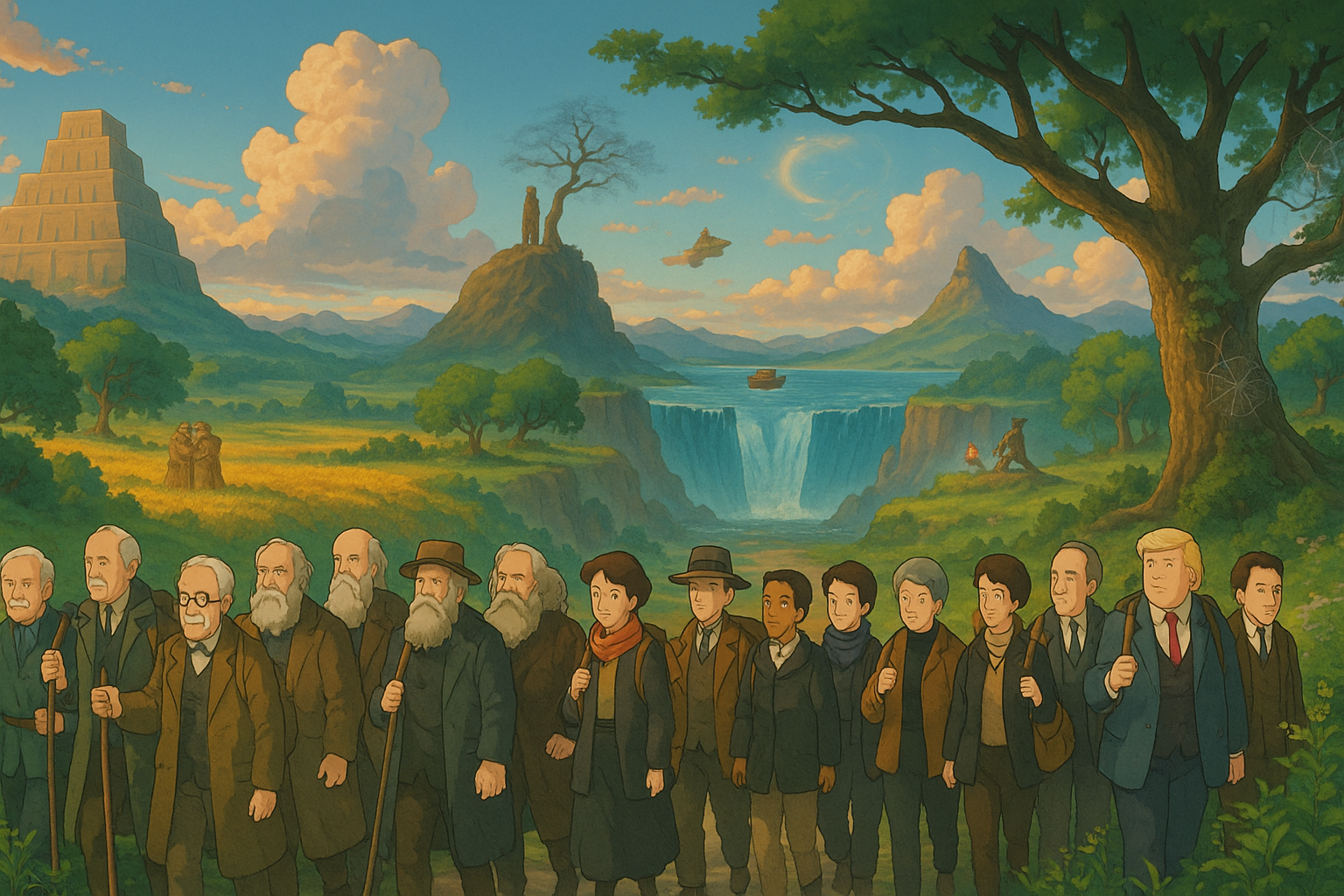
Below is a list of twelve key works that have deeply influenced my thinking and creative outlook.
Here are some creative projects I have developed in the last couple of years.
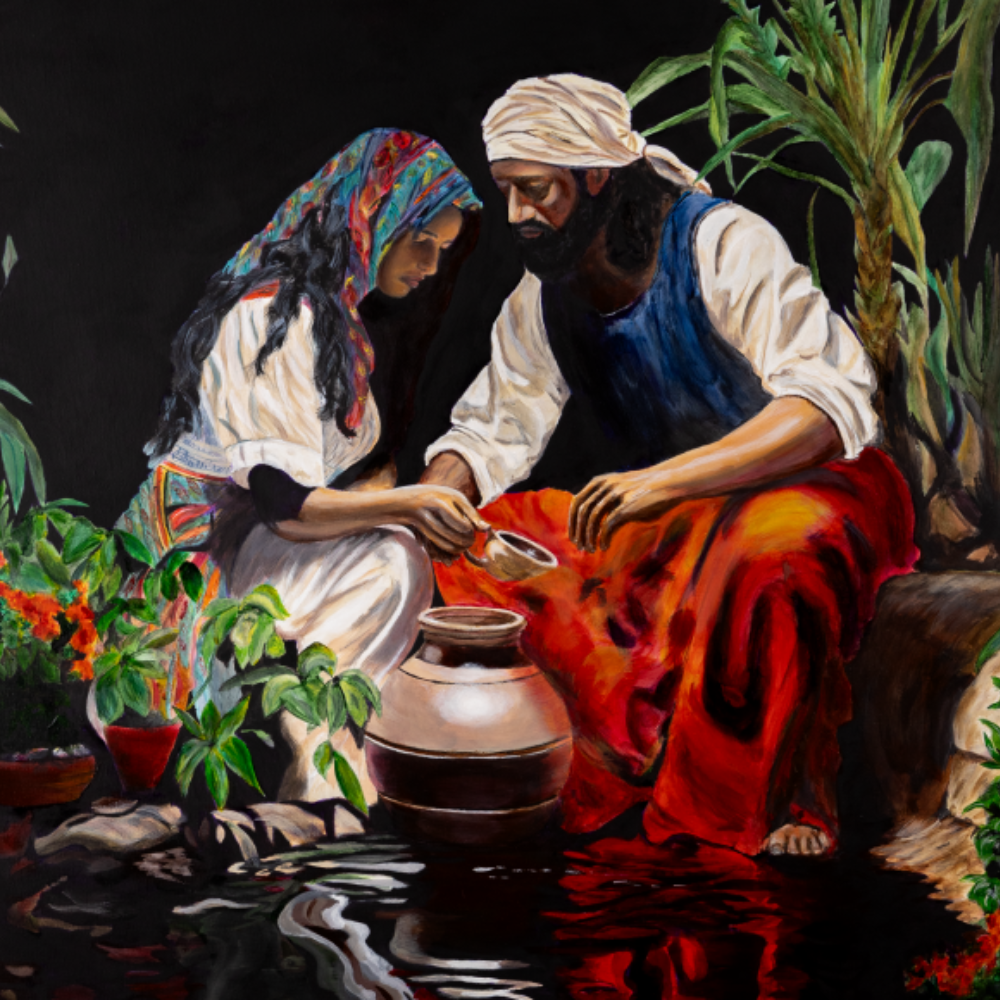
A magazine blending poetry, art, and contemplative essays on faith and creativity. This first issue, "Streams in the Desert", features original writing and visual art that explore spirituality in everyday life. Read Issue 1
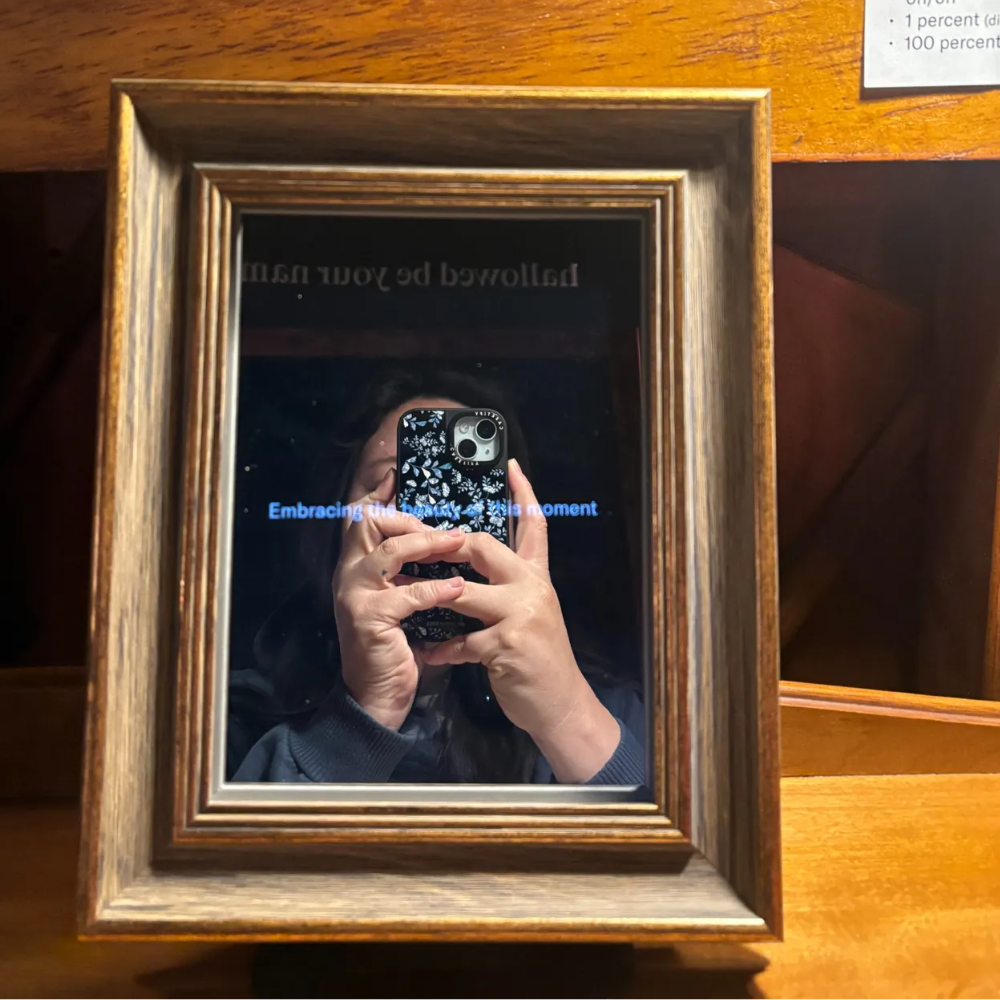
An interactive art installation that combines reflective surfaces with generative text and voice. The mirror displays dynamic, AI-generated prayers or meditations as a person interacts with it, creating a deeply personalized and evolving moment of reflection. View Project
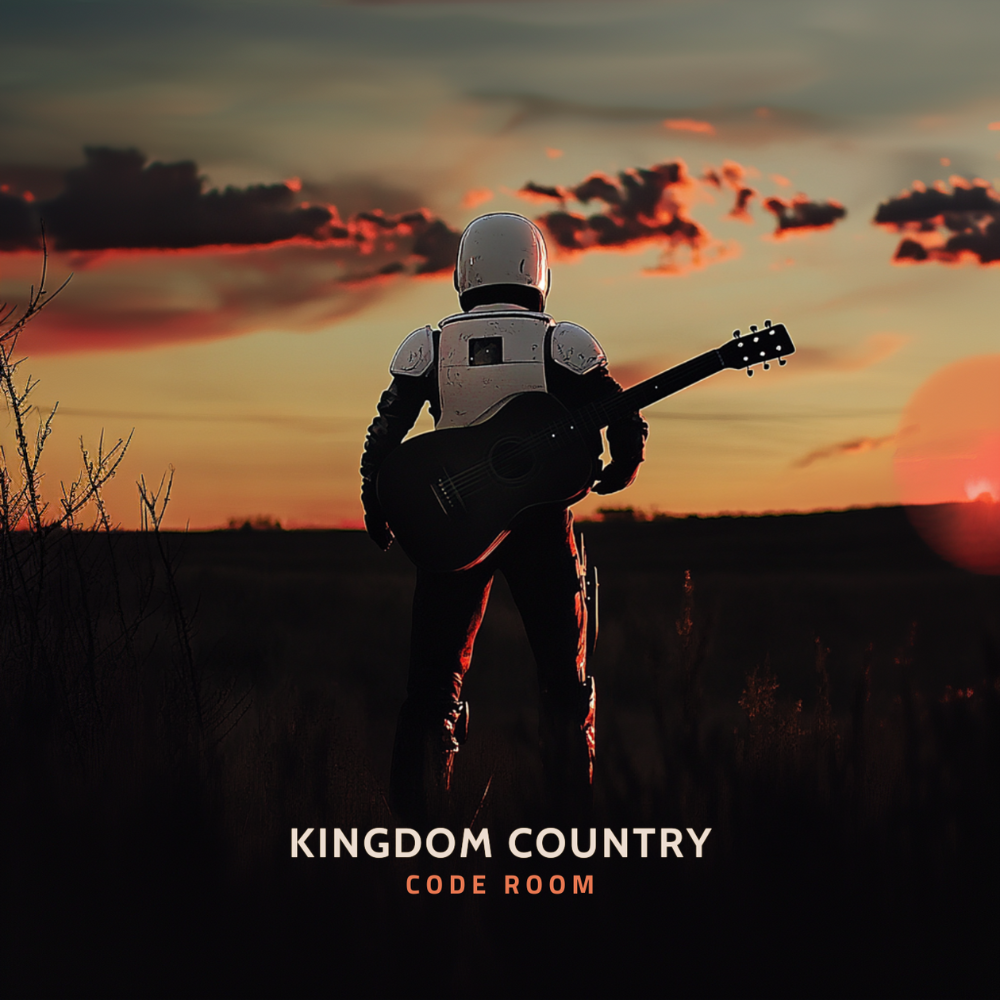
An experimental music project that feeds human-written lyrics and curated style prompts into a generative AI model to create and master new, original songs. Code Room now has an extensive catalog, streaming everywhere. Listen Now
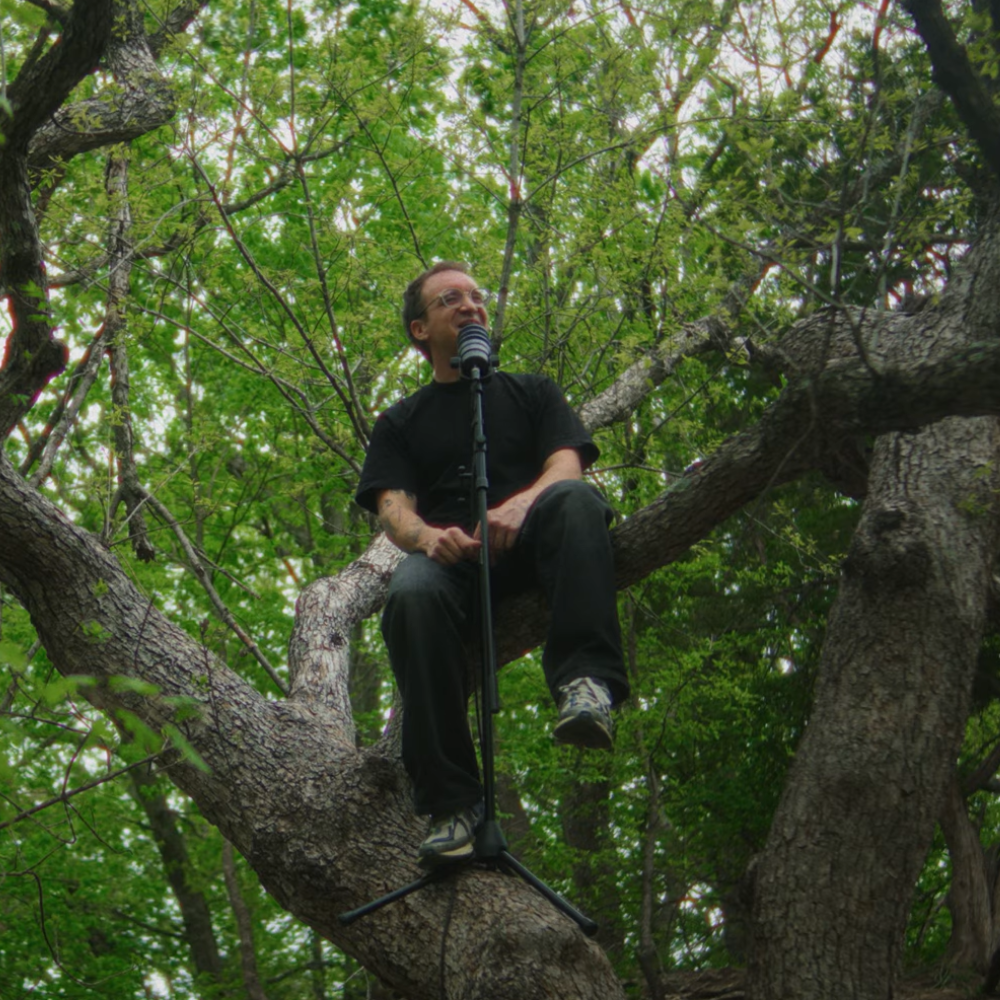
A short film produced for the 2025 Easter service, visualizing a modern paschal poem by Brian Zahnd. The film intertwines spoken word with original cinematography to explore themes of death and resurrection surrounded by trees. Watch the Film
Interdisciplinary technologist‑theologian leveraging AI, integral theory, and public art to craft 21st‑century myths that reconcile faith, reason, and community life.
2016 – Present
Bringing visions to life in the healthcare IT space, empowering doctors, nurses, and patients with the right technology at scale
2014 – 2016
Joined a startup to develop a team of 14 staffers, all managing an international community of contributors on a mission to annotate music lyrics
2012 – 2014
Owned the IT success of 12 major healthcare organizations, solving complex technical problems and leading cutting-edge initiatives
2025 Short Film
A cine‑poetic rendering of Brian Zahnd’s poem, filmed at Chandler Park, Tulsa
2024 Music Artist
12 hours of AI‑generated faith‑centric music on Spotify (peak ~1k monthly listeners)
2024 Multimedia Art Installation
Interactive smart mirror (Raspberry Pi + OpenAI + ElevenLabs) that speaks bespoke prayers in a pastor’s AI-cloned voice; permanently installed at City Church Tulsa.
2023 Managing Editor
Curated "Streams in the Desert" first issue (100‑pp. print & digital, 16 Tulsa contributors)